
Wellbeing
What Does a Blood Pressure Reading of 140/90 Mean?
Lavamozu Health Editorial · Sep 16, 2026 · 10 min read
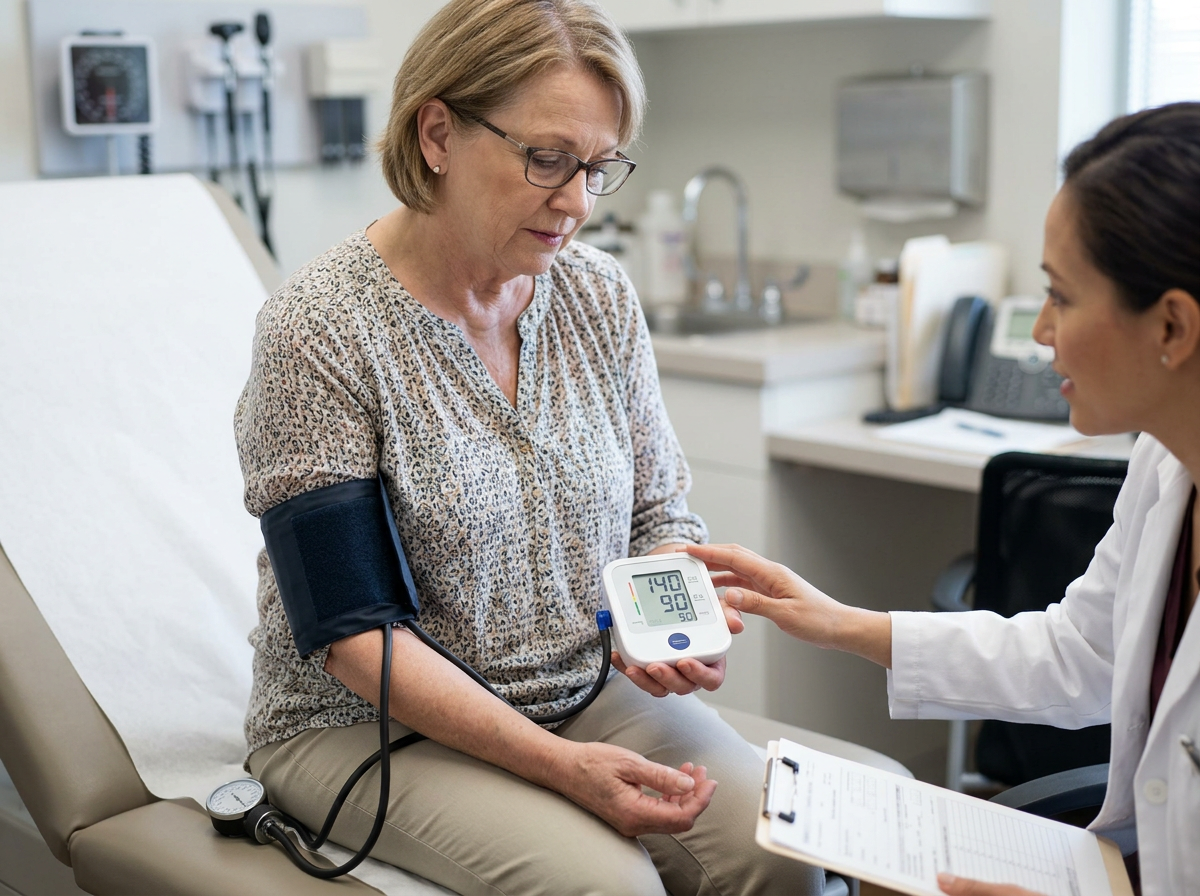
What Does a Blood Pressure Reading of 140/90 Mean?
You check your blood pressure, and the machine displays:
140/90 mmHg.
You may immediately wonder: Is that high? Is it dangerous? Do I need medication? Or could it simply be because I was stressed when the reading was taken?
Blood pressure numbers can be confusing, especially when you receive a reading that is higher than you expected.
The important thing to understand is that one blood pressure reading does not necessarily tell the whole story. Blood pressure changes throughout the day and can be affected by activity, stress, caffeine, illness, medications, and even how the measurement is taken.
At the same time, a reading around 140/90 should not simply be ignored, particularly if similar readings occur repeatedly.
Here's what the numbers mean, what can temporarily raise your blood pressure, when repeated high readings become concerning, and what you can do next.
Important: This article is for general health education and does not diagnose hypertension. Blood pressure should be interpreted in the context of repeated measurements and your individual health circumstances. If you have a very high reading or concerning symptoms, seek medical care.
What do the two blood pressure numbers mean?
Blood pressure is recorded using two numbers.
For example:
140/90 mmHg
The first number is the systolic blood pressure.
The second number is the diastolic blood pressure.
Systolic blood pressure
The systolic number represents the pressure in your arteries when your heart contracts and pumps blood around your body.
In this example:
140 = systolic pressure
Diastolic blood pressure
The diastolic number represents the pressure in your arteries between heartbeats, when the heart is relaxing.
In this example:
90 = diastolic pressure
The unit mmHg means millimeters of mercury, the standard unit used for measuring blood pressure.
So when someone says they have a blood pressure of "140 over 90," they are referring to a systolic pressure of 140 mmHg and a diastolic pressure of 90 mmHg.
Is 140/90 high blood pressure?
A blood pressure reading of 140/90 mmHg is elevated and falls within the range used to define hypertension in many clinical guidelines when it is confirmed through repeated measurements.
However, the exact thresholds used to classify blood pressure can differ between guidelines and healthcare settings.
The World Health Organization defines hypertension in adults as blood pressure that is 140/90 mmHg or higher, when measured on two different days. (who.int)
That last part is important.
One reading of 140/90 does not automatically mean that you have hypertension.
A healthcare professional may want to take additional readings over time or use home or ambulatory blood-pressure monitoring to determine whether your blood pressure is consistently elevated.
Why can your blood pressure be 140/90 once and lower later?
Blood pressure isn't a fixed number.
It naturally changes throughout the day.
For example, your blood pressure may temporarily increase because of:
Physical activity Emotional stress Anxiety or nervousness Pain Caffeine Smoking or nicotine Certain medications Being unwell A full bladder Talking during the measurement Incorrect sitting position Using an incorrectly sized blood-pressure cuff
This is why healthcare professionals generally don't diagnose hypertension based solely on a single unexpected reading.
Instead, they look for a pattern.
How should blood pressure be measured correctly?
If you want to know whether your blood pressure is genuinely elevated, the way you measure it matters.
Before measuring:
Avoid exercise for about 30 minutes beforehand. Avoid caffeine and smoking before the measurement where possible. Empty your bladder. Sit quietly for several minutes. Keep your back supported. Keep both feet flat on the floor. Don't cross your legs. Rest your arm on a table or other supported surface. Keep the cuff on bare skin rather than over clothing. Don't talk while the measurement is being taken.
The American Heart Association recommends resting quietly for at least five minutes before measurement and keeping the arm supported at heart level. (heart.org)
Taking the measurement correctly can reduce the chance that you're reacting to an artificially high result.
What if your blood pressure is repeatedly 140/90?
This is where the situation becomes more important.
If your blood pressure repeatedly measures around 140/90 or higher, don't simply assume that it is normal for you.
Persistent high blood pressure is called hypertension.
Hypertension often produces no obvious symptoms, which is one reason it can go unnoticed for years. The WHO describes hypertension as a major cause of premature death worldwide and emphasizes regular blood-pressure measurement for early detection. (who.int)
Over time, uncontrolled high blood pressure can damage blood vessels and increase the risk of serious conditions including:
Heart disease Stroke Kidney disease Other cardiovascular complications
The absence of symptoms does not mean that high blood pressure is harmless.
Can high blood pressure cause headaches?
This is a common question.
People often assume that a headache automatically means their blood pressure is high.
Usually, mild or moderate hypertension does not cause obvious symptoms, and a headache alone cannot tell you that your blood pressure is elevated.
Very severe elevations in blood pressure, particularly when accompanied by symptoms such as severe headache, vision changes, chest pain, confusion, weakness, or difficulty breathing, can require urgent medical assessment.
That is why it is better to measure your blood pressure rather than trying to guess it from symptoms.
What are the symptoms of high blood pressure?
Most people with hypertension have no symptoms.
This is why hypertension is sometimes called a "silent" condition.
When blood pressure becomes extremely high, however, symptoms may occur, particularly when there is damage to an organ.
Concerning symptoms can include:
Severe headache Chest pain Shortness of breath Vision changes Confusion Weakness or numbness Difficulty speaking Other significant neurological symptoms
A person experiencing these symptoms should not simply assume that they need to rest and check their blood pressure again later.
They should seek appropriate urgent medical assessment.
When is high blood pressure an emergency?
There is an important difference between having a high blood-pressure reading and having dangerously high blood pressure with signs of possible organ damage.
If your blood pressure is extremely high—particularly around 180/120 mmHg or higher—repeat the measurement after a brief period of rest.
If it remains extremely high, seek urgent medical advice.
If a very high blood-pressure reading occurs together with symptoms such as:
Chest pain Difficulty breathing Severe headache Confusion Weakness or numbness Difficulty speaking Significant vision changes Severe back pain Other serious or unusual symptoms
Seek emergency medical care immediately.
Do not wait for the number to come down on its own.
The American Heart Association considers blood pressure above 180/120 mmHg a hypertensive crisis range, particularly when accompanied by symptoms requiring emergency attention. (heart.org)
What causes high blood pressure?
There isn't always one obvious cause.
For many adults, hypertension develops from a combination of genetic, environmental, and lifestyle factors.
Risk factors can include:
Increasing age Family history Excess salt intake Physical inactivity Excess body weight Tobacco use Excessive alcohol consumption Certain medical conditions Some medications
The WHO also identifies unhealthy diet, physical inactivity, tobacco use, and harmful alcohol use as important modifiable risk factors. (who.int)
However, having one of these risk factors does not mean that someone will definitely develop hypertension.
Likewise, someone without obvious risk factors can still have high blood pressure.
Can stress cause a blood pressure reading of 140/90?
Yes, stress can temporarily raise blood pressure.
Imagine checking your blood pressure immediately after receiving upsetting news, rushing into an appointment, exercising, or becoming anxious about the blood pressure machine itself.
The reading may be higher than your usual resting blood pressure.
This is one reason repeated measurements under appropriate conditions are useful.
But stress should not automatically be used to explain away repeated high readings.
If your blood pressure continues to be elevated when you're relaxed and measuring it correctly, speak with a healthcare professional.
Can diet affect blood pressure?
Yes.
Diet is one of several factors that can influence blood pressure.
Excess sodium intake is particularly important. The WHO recommends that adults consume less than 2,000 mg of sodium per day, equivalent to less than 5 grams of salt per day. (who.int)
This does not mean that someone with one high reading should suddenly eliminate salt completely.
Rather, it is worth paying attention to the amount of salt and highly processed foods in your overall diet.
A balanced eating pattern that includes appropriate amounts of fruits, vegetables, and other nutrient-rich foods can form part of a healthy approach to blood-pressure management.
What should you do if your blood pressure is 140/90?
Don't panic.
But don't ignore it either.
Step 1: Check the measurement.
Make sure the cuff fits correctly and that you're sitting quietly with your arm supported.
Take another reading after resting.
Step 2: Keep a record.
If your blood pressure continues to be elevated, record your readings.
For example: Date, Time, Reading Monday Morning 140/90 Tuesday Morning 138/88 Wednesday Morning 142/91
A series of readings can provide much more useful information than one isolated result.
Step 3: Speak with a healthcare professional.
If your readings are repeatedly elevated, arrange an assessment.
Depending on your circumstances, a healthcare professional may recommend additional blood-pressure measurements, lifestyle changes, investigations, or treatment.
Do not start, stop, or change blood-pressure medication without professional guidance.
Does everyone with 140/90 need medication?
Not necessarily.
Treatment decisions depend on more than one blood-pressure reading.
A healthcare professional may consider:
How consistently elevated your blood pressure is Your age Other medical conditions Your cardiovascular risk Kidney health Diabetes status Previous cardiovascular events Other medications Your overall health
Some people may initially be advised to make lifestyle changes and monitor their blood pressure, while others may need medication depending on their individual risk and blood pressure levels.
This is one reason internet advice cannot replace an individualized assessment.
What lifestyle changes can help lower blood pressure?
For people with elevated blood pressure or hypertension, healthy lifestyle habits can make an important difference.
Depending on your individual circumstances, these may include:
Eat a balanced diet.
Pay attention to salt intake and emphasize nutritious foods such as vegetables, fruits, whole grains and appropriate protein sources.
Stay physically active.
Regular physical activity can support cardiovascular health and help with blood pressure control.
Maintain a healthy weight
If you are overweight, even modest weight loss may help improve blood pressure and overall cardiovascular health.
Avoid tobacco.
Smoking damages blood vessels and increases cardiovascular risk.
Limit excessive alcohol consumption.
Excessive alcohol can contribute to high blood pressure and other health problems.
Manage stress.
Finding healthy ways to manage ongoing stress can support overall health.
Take prescribed medication correctly
If a healthcare professional has prescribed blood-pressure medication, take it according to their instructions.
Don't stop treatment simply because you feel well.
Remember: feeling fine does not necessarily mean that your blood pressure is controlled.
Why regular blood-pressure checks matter
High blood pressure can exist without obvious symptoms.
That means waiting until you "feel something" is not a reliable way to detect it.
Regular blood-pressure measurement is particularly important for adults because early detection creates an opportunity to address elevated blood pressure before complications develop.
The WHO recommends that adults have their blood pressure checked regularly. (who.int)
Frequently asked questions Is 140/90 considered high blood pressure?
A reading of 140/90 mmHg is considered high according to the WHO definition of hypertension when elevated readings are confirmed on different days. One isolated reading does not necessarily establish a diagnosis. (who.int)
Is 140/90 dangerous?
A single reading of 140/90 is not usually considered a medical emergency by itself. However, repeated readings at this level should be discussed with a healthcare professional because persistent hypertension increases the risk of cardiovascular and kidney complications.
What should I do if my blood pressure is 140/90?
Rest quietly and repeat the measurement correctly. If similar readings continue to occur, arrange a medical assessment. Keep a record of your readings so that the healthcare professional can see the pattern.
Can stress temporarily raise blood pressure?
Yes. Stress and anxiety can temporarily increase blood pressure. However, repeated elevated readings should not automatically be attributed to stress.
Can high blood pressure cause headaches?
Mild or moderate hypertension often has no noticeable symptoms. A headache alone cannot reliably tell you that your blood pressure is high. Very severe blood-pressure elevation accompanied by concerning symptoms requires urgent medical attention.
What blood pressure is considered an emergency?
A reading around 180/120 mmHg or higher is within the hypertensive crisis range. If it remains that high after repeat measurement, urgent medical advice is warranted; if it is accompanied by serious symptoms such as chest pain, difficulty breathing, confusion, weakness, speech difficulty, or vision changes, seek emergency care immediately. (heart.org)
The bottom line
Seeing 140/90 on a blood-pressure monitor does not mean you should panic.
But it is also not a number to repeatedly ignore.
One measurement is a snapshot. A pattern tells you much more.
Measure your blood pressure properly, keep track of repeated readings, and speak with a healthcare professional if your blood pressure remains elevated.
And remember one of the most important facts about hypertension:
You may have it without feeling sick.
Regular checks can help identify the problem early and give you the opportunity to do something about it.
Need professional guidance?
If you are concerned about your blood pressure or have repeatedly recorded elevated readings, Lavamozu Health can help connect you with appropriate healthcare professionals.
Find a Specialist | Book Care
This article is intended for general health education and does not replace professional medical diagnosis, treatment, or advice. If you are experiencing severe symptoms or a medical emergency, seek urgent medical attention.